Skip permits and London Borough restrictions explained
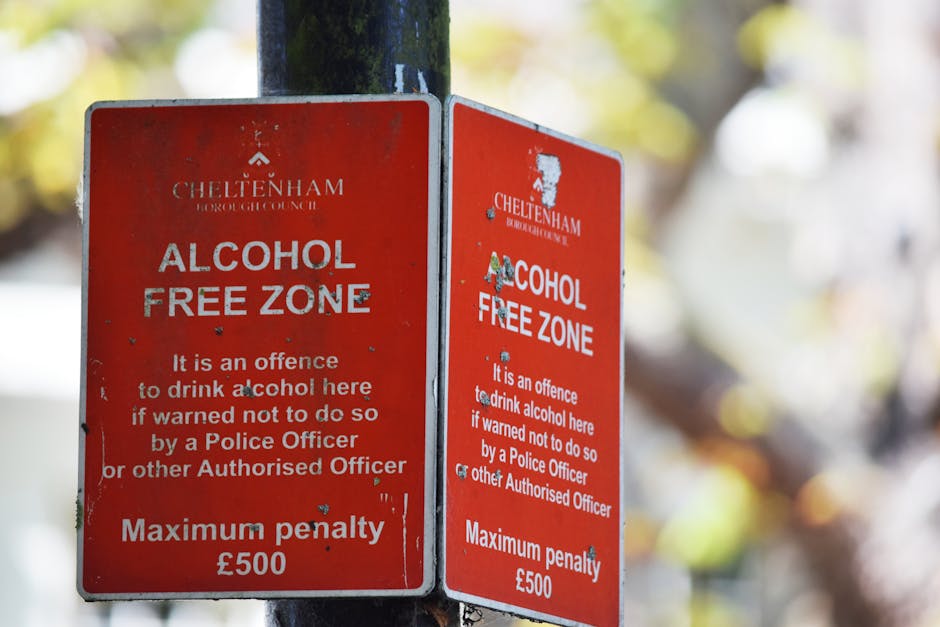
If you are planning a clear-out, renovation, or garden job in London, skip permits and London Borough restrictions can become the bit that slows everything down. One day you are getting quotes and choosing a skip size; the next you are wondering whether the skip can sit on the road, whether cones are needed, or whether the council will want paperwork before the lorry arrives. It is a common headache, to be fair.
This guide gives you a clear, practical explanation of skip permits and London Borough restrictions explained in plain English. We will cover what a permit is, when it is needed, how borough rules can differ, what usually causes delays, and the best way to plan a skip hire without awkward surprises. If your project is bigger than a single van load, this is the stuff worth understanding before the driveway fills up with rubble and old timber.
Table of Contents
- Why skip permits and London Borough restrictions matter
- How skip permits and borough restrictions work
- Key benefits and practical advantages
- Who this is for and when it makes sense
- Step-by-step guidance
- Expert tips for better results
- Common mistakes to avoid
- Tools, resources and recommendations
- Law, compliance, standards and best practice
- Options, methods and comparison table
- Case study or real-world example
- Practical checklist
- Conclusion
- Frequently asked questions
Why skip permits and London Borough restrictions matter
A skip is simple in concept. You fill it, it gets collected, job done. In London, though, the practical reality is more layered. If the skip sits on private land, the process is usually straightforward. If it needs to go on a public road, you may need permission from the relevant borough, and that is where timing, restrictions, and extra conditions start to matter.
The main reason this matters is not just compliance. It is convenience. A missed permit can mean a delayed project, extra charges, or a skip being removed before it is full. That is the sort of thing that turns a tidy weekend project into a messy Monday morning. And if you are coordinating trades, tenants, or neighbours, the knock-on effects can be bigger than people expect.
London Borough restrictions can also affect where a skip can sit, how it must be marked, whether lights or cones are required, and what cannot be blocked. Some boroughs are fussier about narrow roads, controlled parking zones, yellow lines, or busy streets. Others are more flexible but still have firm rules. The broad principle is consistent, but the local detail changes from one borough to the next.
Practical takeaway: if the skip will live wholly on private property, you may avoid the permit process altogether. If any part of it sits on the public highway, assume a permit or borough approval could be needed until confirmed otherwise.
How skip permits and London Borough restrictions work
At a basic level, a skip permit is permission to place a skip on public land, usually a road, verge, or other highway area controlled by the local authority. In many parts of London, the permit is handled through the borough rather than by the skip customer directly. The hire provider often helps with the application, but the details still matter because the property location, road layout, and planned duration all affect approval.
London Borough restrictions are the local rules that sit around that permission. They can cover the position of the skip, the hours it can be delivered or collected, how it must be lit or signed, whether it can sit near a junction, and whether there are time limits for how long it may remain in place. In some areas, a skip on a narrow residential street is treated very differently from a skip on a wide road with clearer access.
Here is the simple version:
- Private land: often no skip permit needed, but access still needs to be safe and practical.
- Public road or pavement: a permit is commonly required.
- Restricted road conditions: borough-specific rules may limit placement, timing, or visibility requirements.
- Special circumstances: conservation areas, busy junctions, school streets, or parking-controlled zones can make things more complicated.
It is worth separating the permit question from the waste itself. A permit does not make waste removal easier by magic. It simply allows the skip to be placed in a controlled location. The actual rubbish still needs to be handled properly, which is why many households and businesses look into broader services such as waste removal when the job does not justify a full skip.
For larger clearances, especially where bulky items or mixed materials are involved, the surrounding service matters too. A flat clearance, house clearance, or office clearance may reduce the need to manage a skip at all, depending on what needs moving. Sometimes the cleanest solution is not the most obvious one.
Key benefits and practical advantages
Understanding skip permits and borough restrictions does more than keep you on the right side of local rules. It gives you control. You can plan the job properly, book the right vehicle, avoid unnecessary delays, and keep neighbours onside. In London, that is not a small thing.
Some of the biggest practical advantages include:
- Fewer delays: no last-minute reshuffling because a road placement was not allowed.
- Better budgeting: you can plan for permit-related costs and avoid surprise add-ons.
- Safer working conditions: clear placement reduces obstruction and helps with loading.
- Less neighbour friction: a properly placed, clearly marked skip is less likely to cause complaints.
- Cleaner project flow: the waste strategy matches the job instead of becoming a separate problem.
There is also a quieter benefit that people only notice once the job starts: confidence. If you already know the rules, you spend less time second-guessing every delivery slot, parking issue, or council requirement. That sounds small, but it is a big relief when the hallway is packed with bags, a broken wardrobe is leaning in the corner, and the skip lorry is due at 7:30 in the morning.
For some projects, especially property clear-outs and furniture-heavy jobs, a skip is only one route. You may get better value by combining it with a service like furniture disposal or furniture clearance if the waste is mostly bulky household items rather than mixed construction debris.
Who this is for and when it makes sense
Skip permits and borough restrictions are relevant to a wider group than most people first think. Yes, builders and landlords deal with them often, but so do homeowners, tenants, shop managers, and office teams trying to clear accumulated waste without making a mess of the street outside.
This topic matters most if you are:
- doing a loft, garage, or garden clear-out;
- renovating a kitchen or bathroom;
- clearing building rubble, timber, tiles, or plaster;
- disposing of bulky items from a flat or shared property;
- managing commercial waste from an office or small business;
- working on a property with limited driveway or loading space.
It also matters if you are comparing waste options. A smaller project may not need a skip at all. For example, if you are emptying a garage and most of it is old furniture, odds and ends, and a few awkward items, a garage clearance or garage clearance can sometimes be more practical than arranging a road permit for a container you do not fully need.
Likewise, if you are handling a business move or office refresh, the decision may lean toward organised removal rather than parking a skip outside a busy office block. If that sounds familiar, business waste removal or office clearance may be the better fit.
And yes, sometimes it is a bit of a judgement call. A small pile of debris feels like it should be simple, until you notice that the only available space is a permit-controlled street with double yellow lines and no clear loading bay. London likes to keep things interesting.
Step-by-step guidance
If you want to avoid stress, the safest way is to work through the process in order. Rushing straight to booking a skip without checking the location is how people end up with awkward phone calls and a project stalled for no good reason.
- Identify where the skip will sit. Private driveway, front garden, yard, parking bay, or public road? This is the first and most important question.
- Check whether the space is private or controlled. A driveway may be private, but a shared forecourt or estate road may still have restrictions.
- Assess access and width. Narrow roads, parked cars, and turning space can all affect placement and collection.
- Decide what waste you actually have. Mixed household rubbish, green waste, furniture, or builders' debris may call for different handling.
- Ask whether a permit is needed. If the skip touches the public highway, assume a permit check is essential.
- Confirm borough-specific conditions. Lighting, markings, duration, and positioning can vary by borough.
- Plan the timing carefully. Delivery and collection should fit the job, not just the calendar.
- Prepare the site. Clear the space, protect surfaces if needed, and make sure access is open on the day.
- Load the skip correctly. Keep within safe fill levels and follow any guidance on prohibited items.
- Arrange collection promptly. Once the job is done, do not let the skip linger if it is no longer needed.
If your project is more home-based than trade-based, you may find the process simpler by starting with a broader service such as home clearance or house clearance. Those options can reduce the admin burden and make the whole job feel less like a logistics puzzle.
Truth be told, the best-run clearances usually look boring from the outside. Everything arrives when it should, access is clear, nobody is running around looking for permission forms, and the waste is gone before the neighbours have had time to comment. That is the goal.
Expert tips for better results
There are a few small decisions that make a surprisingly large difference. Experienced teams tend to watch these details early, because they save time later. That is where the real efficiency lives.
- Choose the location before the skip size. A large skip on a tight road may be less useful than a smaller container in a safer, easier position.
- Keep an eye on permit lead times. Borough approvals are not always instant, so build in margin rather than assuming next-day certainty.
- Think about collection access too. A skip that can be delivered easily but not lifted away easily is still a problem.
- Separate heavy waste where possible. Brick, soil, and rubble can affect how efficiently a skip is loaded.
- Protect pavements and shared access routes. A simple board or protective layer can prevent avoidable damage on private ground.
- Don't overfill. It sounds obvious, but it happens all the time. Once waste rises above the rim, collection can be delayed or refused.
- Coordinate neighbours if the street is tight. A quick conversation can prevent problems with parking or access.
If your project involves renovation debris, builders waste clearance may be a better fit than a standard skip hire in some cases, especially where the waste needs loading quickly and the site is cramped. The same goes for garden work; if the job is all soil, hedge cuttings, and green debris, garden clearance can be simpler than managing a skip permit on a busy street.
One more practical point: if you are comparing providers, look at how clearly they explain access, licensing, and safety. It is not glamorous, but it tells you a lot about how smoothly the rest of the job is likely to go. A provider that is vague about logistics usually stays vague when things get tricky. Funny how that works.
Common mistakes to avoid
Most permit problems are avoidable. They come from assumptions, not bad intentions. People often move quickly, think the skip will be fine for a day or two, and only discover the borough rules after the lorry is already on the way.
- Assuming every skip needs a permit. Not true. Private land is often different, but the location must still be safe and suitable.
- Assuming no permit is ever needed. Also not true. Public roads and pavement placement commonly require approval.
- Forgetting about time limits. Some boroughs care a lot about how long the skip remains in place.
- Ignoring the street layout. Junctions, bendy roads, parking zones, and school streets can all complicate things.
- Not checking waste type restrictions. Skips are not a free-for-all. Some materials may need separate handling.
- Booking too late in the process. If the permit is slow, the entire project can stall. It happens more often than people think.
- Using the wrong service for the job. A skip is not always the best answer, especially for furniture-heavy or property-clearance jobs.
There is a related mistake that is easy to miss: not considering how the waste will be sorted once it is removed. If sustainability matters to you, or if you want the waste route to be more responsible, you should ask how materials are handled. A decent provider should be able to explain this in straightforward language, not hide behind jargon. You can also look at their recycling and sustainability approach to understand how they think about disposal.
Tools, resources and recommendations
You do not need a toolbox full of specialist kit to handle skip planning well. What you need is a sensible checklist, a tape measure, and a clear idea of what waste is leaving the property. Small things, really. But they matter.
Useful resources and practical tools include:
- A site measurement: measure width, clearance height, and turning room if access is tight.
- Photos of the location: useful when discussing placement or access with a provider.
- A rough waste list: furniture, rubble, timber, green waste, mixed junk, or office items.
- A timeline for the job: especially important if trades are involved or residents need notice.
- A plan for access control: keys, gates, parking, permits, or concierge arrangements.
If you are not sure whether a skip is the right choice, compare it with direct removal options. A property needing a full clear-out may benefit from flat clearance, loft clearance, or even garage clearance. Those services can be better when the issue is volume and awkward items rather than building waste.
For businesses, the same logic applies. A clean office move-out, archive clear-down, or shop refit can sometimes be handled more neatly through office clearance than by parking a skip outside a front door on a busy lane. That is often easier for staff, clients, and anyone trying to keep the place open while work continues.
Law, compliance, standards and best practice
This is the bit people tend to gloss over until there is a problem. In practice, skip placement in London is shaped by a mix of local authority rules, highway considerations, safety expectations, and waste-handling responsibilities. You do not need to become a legal expert, but you should treat the rules seriously.
Best practice usually includes the following:
- Confirm whether the skip is on public or private land. This determines the likely permit route.
- Follow borough instructions exactly. If the council specifies location, markings, or duration, those conditions matter.
- Keep access safe for pedestrians and vehicles. That includes reflective markings and visible positioning where required.
- Avoid blocking sight lines or entrances. Especially near junctions, crossings, or driveways.
- Use a provider that understands highway and site safety. A good operator should manage the process carefully, not casually.
- Check that the waste is being handled responsibly. Responsible disposal is part of modern waste management, not an optional extra.
On larger jobs, safety and access often matter as much as the permit itself. For example, a builder clearing a rear extension may need a sensible route for loading, safe lifting practices, and an understanding of what can be stored where. That is where insurance and safety considerations become relevant in everyday terms, not just paperwork terms.
There is also a commercial side to compliance. If you are running a business, you want waste handling that is predictable, traceable in the broad sense, and easy to explain to your team. Nobody wants a waste decision turning into a complaint, an access issue, or a surprise bill. The simple version: do it properly once, and life is calmer.
Options, methods and comparison table
Not every clean-up needs the same method. Sometimes a skip is the obvious answer. Sometimes it is not. Here is a practical comparison that helps put the options into context.
| Option | Best for | Permit risk | Strengths | Possible drawback |
|---|---|---|---|---|
| Skip on private land | Driveways, yards, private forecourts | Low | Simple access, less council involvement | Needs enough space and safe loading room |
| Skip on public road | Homes without driveway space | Higher | Useful where access is limited | Permit and borough restrictions may apply |
| Waste removal service | Mixed household or business waste | Usually lower | Less admin, faster clearance | May be less suited to large rubble volumes |
| Property clearance service | Furniture, contents, full rooms, lofts, garages | Usually lower | Good for bulky items and time-sensitive jobs | Not always ideal for heavy construction waste |
If you are deciding between these methods, think about the shape of the waste first, not the shape of the vehicle. That sounds like a small distinction, but it changes the whole job. A skip is brilliant for the right kind of load. For other jobs, a removal team may be more efficient.
Case study or real-world example
Here is a realistic example from a typical London street. A homeowner in a terraced property is clearing a loft, a hallway cupboard, and an old shed at the back. The idea starts with a skip on the road because that feels tidy and obvious. Then they check the street layout: permit-controlled parking, limited turning space, and a narrow carriageway that is already tight in the evenings.
Once the location is reviewed properly, the plan changes. Instead of forcing a road skip into a difficult spot, the project is broken into two parts. The bulky furniture and general contents are handled through a clearance service, while the heavier leftover materials are arranged separately. The result is simpler: less obstruction, less waiting, and no frantic rearranging of cars with a kettle still boiling inside the house. Small victory, but a real one.
This kind of situation is very common in London. The best solution is not always the biggest container. It is the one that fits the street, the schedule, and the waste mix. That is really the heart of skip permits and London Borough restrictions explained: the rules are there to shape the job around the reality of the city, not the other way around.
For jobs with lots of furniture or mixed contents, it can be far easier to combine clearance with disposal rather than rely on a road permit. A good example is when a family is moving out, there is a broken sofa, a mattress, a few shelves, and several bags of odd household items. In that case, furniture disposal and related clearance options may be the cleaner path.
Practical checklist
Use this checklist before you book anything. It keeps the process grounded and helps you avoid the most common annoyances.
- Have you confirmed whether the skip will be on private or public land?
- Have you checked if a borough permit or approval is likely needed?
- Do you know the exact waste type you are removing?
- Is the access route wide enough for delivery and collection?
- Have you checked for parking restrictions, yellow lines, or loading limits?
- Will the skip block a doorway, junction, or pedestrian route?
- Do you know how long the skip will need to stay in place?
- Are you clear on what must not go in the container?
- Have you considered whether a clearance service might suit the job better?
- Have you allowed enough time for planning, paperwork, and collection?
One simple habit helps a lot: take two photos before the job begins and two after. It sounds almost too basic to mention, but it makes communication much easier if there is any confusion about access or placement. And yes, that one little habit can save a surprising amount of back-and-forth.
Get a free quote today and see how much you can save.
Conclusion
Skip permits and London Borough restrictions can look annoying at first glance, but once you break them down, they are mostly about planning, placement, and local practicality. If the skip is on private land, life is usually easier. If it sits on the road, the borough rules matter, and they matter for good reason: access, safety, and keeping London streets working for everyone.
The best approach is calm and methodical. Check the site, understand the waste, allow time for any permit process, and choose the right removal method for the job. Sometimes that means a skip. Sometimes it means something simpler and faster. There is no prize for making it harder than it needs to be.
If you handle the early steps properly, the rest of the clearance tends to fall into place. And that, honestly, is the nicest kind of project: the one that quietly gets done.
Frequently Asked Questions
Do I always need a permit for a skip in London?
No. If the skip is placed entirely on private land, a permit is often not needed. If it sits on a public road, pavement, verge, or other highway area, a permit is commonly required.
Are London Borough skip rules the same everywhere?
Not exactly. The basic idea is similar across London, but each borough can apply its own conditions for placement, duration, markings, or access. That is why location checks matter so much.
Can I put a skip on a driveway without asking the council?
Usually yes, if it is private land and there are no separate property rules or shared access restrictions. You still need to make sure the space is suitable, safe, and large enough.
How long does a skip permit last?
The duration can vary depending on the borough and the nature of the job. It is best to confirm the exact time limit before booking, especially if your project might run longer than planned.
What happens if a skip is placed without the correct permit?
It can lead to removal, delays, or additional costs. It may also create issues if the skip obstructs traffic, pedestrians, or parking. That is why checking first is the safer route.
Do I need lights or markings on a roadside skip?
In many cases, yes, especially where visibility is reduced or borough rules require it. Exact requirements depend on the placement and local conditions, so this should be confirmed in advance.
Is a skip always cheaper than a removal service?
Not always. A skip can be cost-effective for certain heavy or bulky jobs, but if the waste is mainly furniture or mixed contents, a clearance service may be more efficient overall. Price is only one part of the picture.
What kind of waste is best suited to a skip?
Skips are often a good fit for construction debris, general renovation waste, and other loads that are straightforward to pile in. For furniture-heavy or room-clearance jobs, other services can be a better match.
Can I use a skip for garden waste in London?
Yes, though for some projects a dedicated garden clearance option can be simpler. If the job is mostly branches, soil, and green material, the most practical solution may not be a roadside skip at all.
What should I check before booking a skip?
Confirm the location, access, likely permit need, waste type, and collection timing. If any of those are uncertain, sort them out before delivery day. It saves hassle, and quite a bit of it.
What if my property has very limited access?
That is where planning becomes essential. Narrow roads, parking controls, and tight turning spaces can make a skip awkward. In those cases, a waste removal or property clearance service may be a better fit.
How do I know whether a clearance service is better than a skip?
If the job involves bulky items, contents from a room, or mixed household waste, clearance may be the cleaner choice. If you have heavy rubble or a renovation load, a skip may still make more sense. The waste type usually gives the answer.
Where can I learn more about the company and its standards?
You can review the company's about us page, along with its policies on terms and conditions, health and safety, and payment and security for a clearer picture of how it works.