How we cleared a Victorian flat in SW3 -- client story
There's a particular kind of job that looks simple on paper and then quickly turns into a careful, very human piece of work. That was the case with How we cleared a Victorian flat in SW3 -- client story. The property had charm, narrow stairs, awkward corners, and the usual mix of heavy furniture, fragile keepsakes, and bits that had been left for years. In other words, it was a proper London flat clearance, not a quick sweep-and-go.
In this article, we'll walk through what happened, what made the job different, and what you can expect if you ever need a Victorian flat cleared in Chelsea or a similar SW3 property. We'll cover the practical side, the planning, the risks, the sorting process, and the little details that make a big difference. To be fair, it's often those little details that decide whether a clearance feels calm or chaotic.
If you're comparing options for a flat clearance, a flat clearance service is usually the most direct route when the property needs a full, careful clear-out rather than a single-item collection.
Table of Contents
- Why this Victorian flat clearance in SW3 mattered
- How the clearance process worked
- Key benefits and practical advantages
- Who this is for and when it makes sense
- Step-by-step guidance
- Expert tips for better results
- Common mistakes to avoid
- Tools, resources and recommendations
- Law, compliance, standards, or best practice
- Options, methods, or comparison table
- Case study or real-world example
- Practical checklist
- Conclusion
- Frequently Asked Questions
Why How we cleared a Victorian flat in SW3 -- client story Matters
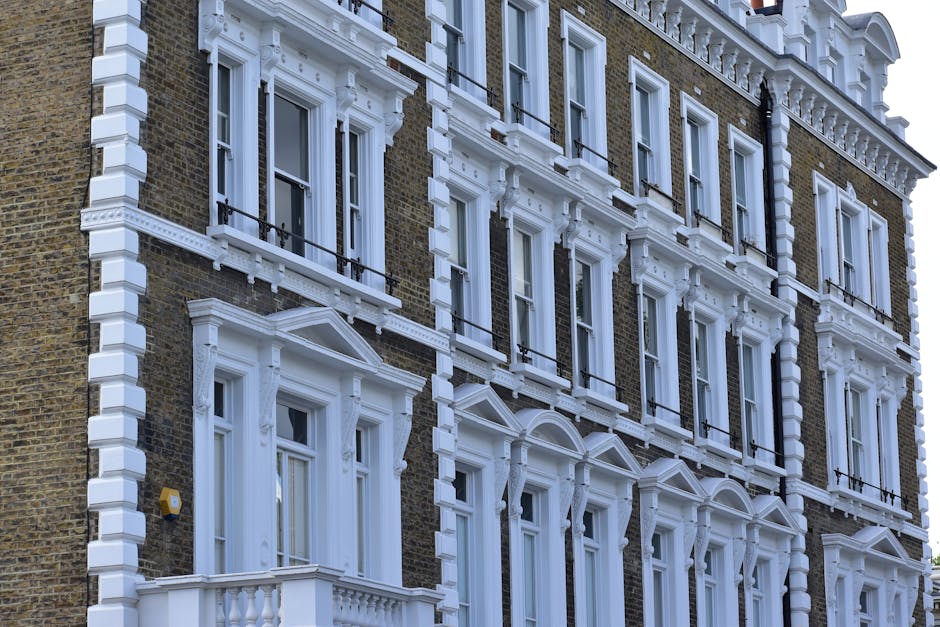
Victorian flats in SW3 often come with lovely proportions, sash windows, original features, and a layout that was never designed for modern furniture. That character is exactly why they're desirable. It's also why clearing one can be trickier than clearing a newer build. Narrow stairwells, shared entrances, parking limits, and protected fittings can all slow things down. The job needs more than muscle; it needs judgement.
This matters because flat clearance is rarely just about removing unwanted items. People are usually dealing with a life transition: a move, a tenancy ending, an estate matter, a renovation, or a long-overdue reset. The emotional side is real. We've seen people standing in a room saying, "I know I need this done, but I don't know where to start." That's normal. Very normal.
In SW3, access and discretion can matter just as much as speed. Some buildings have strict neighbour expectations, limited loading options, and shared hallways where damage is easy to cause if the team is not careful. A good clearance should respect the building, the neighbours, and the contents. All three.
Expert summary: A successful Victorian flat clearance is not about emptying rooms as fast as possible. It's about protecting the property, sorting items responsibly, and making a stressful job feel orderly from the first lift to the final sweep.
How How we cleared a Victorian flat in SW3 -- client story Works
The process starts before anyone picks up a heavy item. First, we look at access. Is there street parking nearby? Are there tight internal stairs? Is the property on a top floor? Are there items that need two people instead of one? These questions sound basic, but they shape the whole plan.
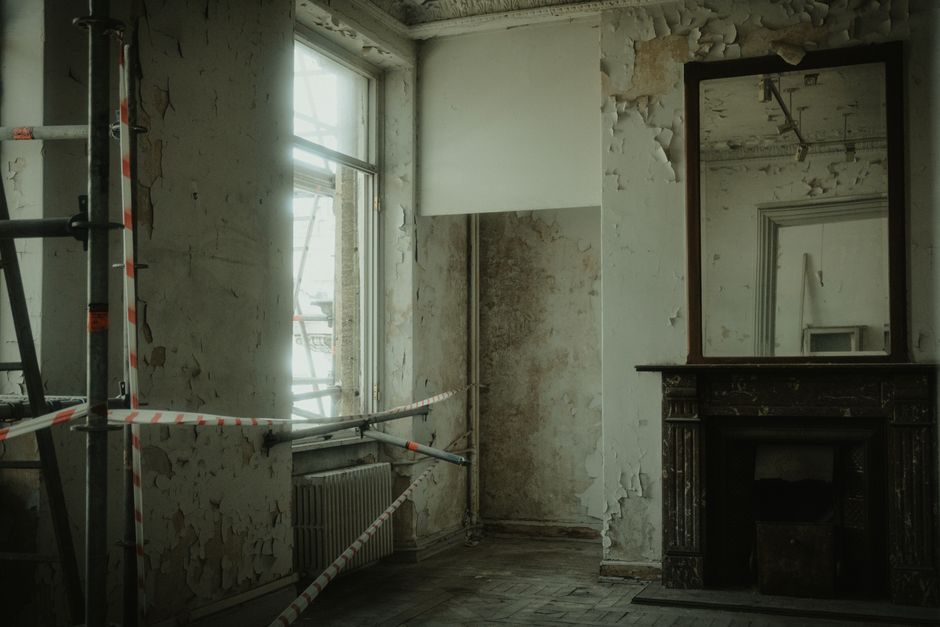
For this SW3 flat, the client needed help with a full clearance after a long period of accumulated belongings. The rooms were a mix of furniture, boxes, books, soft furnishings, and a few delicate pieces that needed separate handling. There was also the usual challenge of Victorian dimensions: tall ceilings, but awkward movement through the stairwell. Not exactly a lift-everything-in-one-go job.
The work generally followed this pattern:
- Initial assessment: Review the rooms, access points, and item types.
- Sorting: Identify what stays, what goes, and what may be suitable for reuse or recycling.
- Careful removal: Move items out safely without scraping walls, bannisters, or doorframes.
- Loading and segregation: Separate reusable, recyclable, and general waste streams where possible.
- Final check: Make sure the flat is left tidy, with no small items forgotten in cupboards or corners.
One thing people often miss: a clearance is rarely linear. You might think you're done with a room, then find paperwork in a sideboard or sentimental items tucked behind larger furniture. That's not a problem if the team works methodically. It becomes a problem when everything is treated like rubbish. And that's where care matters.
If the job includes furniture that needs to be broken down or removed separately, it can help to understand the difference between general removal and a dedicated furniture clearance approach, especially in older flats with tight access.
Key Benefits and Practical Advantages
The most obvious benefit is time saved. Clearing a Victorian flat by yourself can take several days, especially if you're juggling work, family, or a deadline with an agent, landlord, solicitor, or contractor. A professional clearance compresses that into a planned visit, sometimes more than one if needed, without the back-and-forth.
But the real value is broader than speed.
- Less strain: Heavy lifting in stairwells is exhausting and genuinely risky.
- Better sorting: Items are assessed for reuse, recycling, or disposal rather than being lumped together.
- Reduced stress: You don't have to coordinate friends, vans, parking, and dump runs.
- Cleaner handover: Useful when a property is being sold, let, renovated, or prepared for viewings.
- More respect for the building: Important in period properties where scuffs and knocks show quickly.
There's also something reassuring about seeing a space get methodically emptied. Rooms feel bigger, yes, but they also feel calmer. It's a bit like exhaling after holding your breath too long. That might sound dramatic. It isn't, really. Anyone who has dealt with a packed flat knows the feeling.
| Approach | Best for | Pros | Watch-outs |
|---|---|---|---|
| DIY clearance | Small loads, flexible timing | Lowest direct cost if you already have transport | Time-consuming, physically demanding, disposal mistakes |
| Partial clearance | Mixed items or a few rooms | Focused and efficient | Can leave awkward leftovers if the plan is unclear |
| Full flat clearance | End-of-tenancy, sale, probate, major declutter | Fast, comprehensive, less stress | Needs good access planning and clear instructions |
Who This Is For and When It Makes Sense
This kind of service is not just for extreme cases. In fact, most clients are ordinary people in ordinary situations that have become a bit much. That is the truth of it.
You may need a Victorian flat clearance if you are:
- preparing a property for sale or letting
- dealing with a probate or estate clearance
- moving out and leaving behind unwanted items
- renovating and needing rooms emptied first
- helping a relative downsize
- clearing a flat after a long period of accumulation
- trying to sort furniture, soft furnishings, books, or household waste in one go
It also makes sense if access is awkward. Older London properties often have narrow hallways and shared staircases, which makes even a single sofa awkward. Add in fragile frames, mirrors, or boxed contents, and suddenly the job becomes fiddly fast. You do not want a rushed clearance team treating a Victorian bannister like it's just another bit of timber.
For broader property clearances beyond flats, some people find it helpful to compare home clearance and house clearance options, especially if the contents include multiple rooms, loft storage, or mixed household items.
Step-by-Step Guidance
Here's a practical way to think about the process, whether you're booking a service or trying to organise one yourself.
1. Walk the property first
Start with a full walk-through. Open cupboards. Check storage nooks. Look inside wardrobes, under beds, and behind furniture. In older flats, hidden storage is everywhere. You may find documents, keepsakes, spare curtains, tools, and the sort of random cables nobody has identified since 2014.
2. Separate what must be kept
This step saves the most headaches. Put aside passports, keys, contracts, jewellery, photos, electronics with personal data, and anything with emotional value. If the client or family member is not on site, label items clearly. Once mixed with general contents, important things can be surprisingly easy to miss.
3. Decide what can be reused
Not everything needs to be thrown away. Some items may be reusable, some recyclable, and some suitable for donation if they are in decent condition. Reuse is not just greener; it can also reduce the overall amount needing disposal. That's good for the planet and, frankly, for the budget too.
4. Plan access and timing
Victorian buildings often mean stairs, corner turns, and limited space for loading. Agree on the best time to work, especially if there are neighbours, parking restrictions, or building rules to respect. Morning starts can help, though sometimes later slots are less disruptive depending on the street. Every building has its own rhythm.
5. Clear room by room
A room-by-room method keeps the work tidy. It also helps the client see progress. That matters more than people think. Watching one room become empty creates momentum. And momentum, in a clearance, is gold.
6. Do a final sweep and check
Before finishing, check drawers, behind doors, and inside every cupboard. You do not want to discover a forgotten box of paperwork two days later. Been there, seen that, not ideal.
Expert Tips for Better Results
After enough clearances, a few patterns become obvious.
- Label anything uncertain: If you're unsure about an item, keep it separate. A "maybe" pile is better than accidental disposal.
- Photograph special items: Helpful for family members who can't be there in person.
- Keep walkways clear: In older flats, trip hazards multiply quickly.
- Use sturdy bags and boxes: Flimsy packaging leads to delays and breakages.
- Do not leave disposal decisions until the end: Sorting as you go is faster and cleaner.
- Think about neighbours: Noise, shared hallways, and loading times all matter in SW3.
A small tip that saves stress: keep a separate box for paperwork, chargers, and loose personal items. These are the things that vanish into the clutter and then suddenly matter. A lot. You'll thank yourself later.
For readers tackling larger mixed-item jobs, our advice is often to treat the clearance like a sequence, not a single event. If you need a broader tidy-up across furniture and general household waste, it may help to look at a service that handles both waste removal and selective item sorting in one visit.
Common Mistakes to Avoid
The biggest mistake is underestimating the scale of the job. Victorian flats can look manageable until you start moving things. Then the true volume appears, almost with a bit of attitude.
Other mistakes include:
- Not measuring large items: Sofas, wardrobes, bed frames, and tables may not fit through the route you expected.
- Ignoring access constraints: Shared staircases and parking rules can cause delays if not planned early.
- Mixing keep and remove piles: This is how important items get lost.
- Leaving it all to the last minute: Rushed clearances are usually more stressful and less efficient.
- Assuming every item goes in one category: Reuse, recycling, and waste should be handled properly where possible.
- Choosing purely on price: Cheapest is not always best when a flat has delicate finishes or tight access.
And here's one that sounds obvious but crops up more than you'd think: don't forget the loft cupboards, top shelves, and under-bed storage. Victorian flats are excellent at hiding extra clutter. Charming, but sneaky.
Tools, Resources and Recommendations
You do not need a warehouse of equipment to clear a flat properly, but the right basics help a lot.
- Heavy-duty sacks and boxes: For books, textiles, paperwork, and mixed household items.
- Furniture blankets and straps: Useful for protecting items and moving them safely.
- Tape and labels: Simple, but extremely effective for sorting.
- Basic hand tools: For dismantling furniture when needed.
- Gloves and sturdy footwear: A sensible minimum for anyone lifting.
- Padlock or secure storage plan: Useful if items need to be held aside before final decisions are made.
When a clearance includes bulky seating, damaged items, or oversized furniture, it can help to read about bulky sofa removal across London because bulky items often shape the whole moving plan, especially in older buildings.
If you are trying to reduce what leaves the property in the first place, reuse and upcycling ideas can also help. A few pieces are better passed on or repurposed than carted away without a second thought. Not every old thing is junk. Some of it just needs a better ending.
Law, Compliance, Standards, or Best Practice
Clearance work in London should follow good waste handling practice. In plain English, that means waste should be collected, transported, and processed responsibly, and the client should know what happens to the items being removed. If a company deals with waste, it should also be able to explain its safety procedures and handling approach in straightforward terms.
There are a few best-practice points worth keeping in mind:
- Duty of care: Waste should not be dumped or passed on carelessly.
- Safe handling: Heavy lifting, sharp edges, and awkward furniture need proper care.
- Building protection: Shared hallways, banisters, and doorframes should be protected where needed.
- Transparent sorting: Reuse and recycling should be separated sensibly where possible.
- Insurance and safety awareness: Especially important in properties with stairs, narrow access, or fragile features.
If you are comparing providers, it is sensible to ask about insurance, safety procedures, and what happens if an item is fragile or unexpectedly difficult to move. Those are fair questions. In fact, they are the right questions.
For a closer look at safety expectations, our health and safety policy and insurance and safety information are useful references when you want to understand how a clearance should be approached responsibly.
Options, Methods, or Comparison Table
People usually compare three main ways of dealing with a flat like this. The right choice depends on time, access, budget, and how much sorting is needed.
| Method | Best use case | Strengths | Limitations |
|---|---|---|---|
| Self-clearance | A few bags or small furniture items | Flexible, low direct cost | Slow, tiring, transport-heavy |
| Van hire with helpers | Moderate amounts of furniture or boxes | More control, potentially lower cost than full service | Requires coordination, lifting, and disposal planning |
| Professional flat clearance | Full or near-full property clearance | Efficient, safer, less stress, better for awkward access | Higher upfront cost than doing it yourself |
In our experience, professional help becomes especially worthwhile when stairs are tight, time is limited, or the items include large furniture and mixed household contents. If you only have a few bits to move, self-clearance can make sense. If the flat is full and the deadline is real, then it's a different story entirely.
Case Study or Real-World Example
Here's how the SW3 job unfolded in practical terms.
The flat was in a classic Victorian building with tall ceilings and decent natural light, but the stairwell was narrow and the route out required care. The client wanted the property cleared in a way that would be respectful, efficient, and calm. There were living room pieces, bedroom furniture, boxed items, and a handful of things the client wanted to keep separate for family review.
We started with a quick walkthrough and flagged the largest items first. That matters because the biggest item often dictates the rest of the plan. A wardrobe that looks manageable in a room can become a problem the moment it reaches a turn in the stairwell. Annoying, but true.
After sorting the keep items aside, we cleared the easier rooms first to create space and momentum. Then we tackled the larger items using a careful team lift and protected the routes as needed. Small items, paperwork, and mixed contents were handled separately so nothing important disappeared into the wrong pile. By the time we were doing the final sweep, the flat had gone from cluttered and crowded to open and manageable.
The client's main feedback was simple: it felt less overwhelming once the work was broken into clear stages. That is usually the difference between a stressful clearance and a controlled one. Not magic. Just a method.
For related large-item removals, some clients also review furniture disposal options when they have a mix of old and damaged pieces that are no longer usable.
Practical Checklist
Use this checklist if you are planning a similar clearance.
- Confirm access details, including stairs, parking, and entry instructions
- Identify items to keep before anything is moved
- Separate valuables, documents, and sentimental belongings
- Measure large furniture if access is tight
- Decide whether you need a full or partial clearance
- Check whether any items need special handling
- Plan for reusable, recyclable, and general waste separately where possible
- Protect floors, walls, and bannisters in period properties
- Set a realistic date and time for the work
- Do a final room-by-room check before sign-off
Quick tip: if you are not sure whether an item should be kept, move it into a clearly marked "review later" box. It sounds tiny, but it can save hours. Honestly, it really can.
Conclusion
A Victorian flat clearance in SW3 is never just about clearing things out. It's about working with the character of the building, the limits of the access, and the reality of the client's situation. In this case, the job worked because it was planned properly, sorted carefully, and handled with respect from start to finish.
If you are facing a similar clear-out, the key is not to let the size of the job spook you. Break it down. Protect what matters. Move methodically. And if you need support, choose a team that understands older London properties and knows how to work quietly, safely, and efficiently.
Get a free quote today and see how much you can save.
Sometimes the hardest part is simply starting. Once the first room is clear, the rest tends to follow.
Frequently Asked Questions
How long does it take to clear a Victorian flat in SW3?
It depends on the size of the flat, the amount of furniture, and how easy the access is. A well-planned clearance can often be completed much faster than doing it yourself, especially if there are stairs and bulky items.
Do I need to sort everything before the clearance team arrives?
No, not necessarily. It helps to separate valuables, documents, and items you definitely want to keep, but a professional team can usually help sort the rest on site. That said, the clearer your instructions, the smoother things go.
What happens to furniture that is still in decent condition?
Where possible, usable items may be set aside for reuse or recycling rather than simply treated as waste. The exact handling depends on the condition of the item and the practical options available.
Is a flat clearance suitable for probate or estate situations?
Yes, it often is. Probate and estate clearances are common reasons for booking a full flat clearance, especially when the property needs to be emptied with care and discretion.
What if the building has narrow stairs or no lift?
That is very common in Victorian properties. It just means the clearance needs more careful planning, the right number of people, and a sensible approach to lifting and protection.
Can a flat clearance include both furniture and general rubbish?
Yes. Many clearances involve a mix of furniture, household waste, and smaller items. A good service should be able to handle the mix without turning the whole thing into a muddle.
How do I know if I need a full clearance or just furniture removal?
If the property has lots of mixed contents, cupboards, boxes, and household items, a full clearance is usually the better fit. If you only have a few large pieces, a furniture-focused service may be enough.
What should I do with personal papers and sentimental items?
Keep those separate before the clearance starts. Put them into clearly marked boxes or bags and set them aside somewhere safe. Once the rest of the room starts moving, it's easy to lose track of them.
Are there any special concerns with older London flats?
Yes. Access, fragile features, shared hallways, and parking can all matter. Victorian flats are beautiful, but they can be awkward. A good team will work around those issues rather than forcing the job.
How much mess is left behind after a clearance?
That depends on the job, but the aim is always to leave the property tidy and ready for the next step. A proper final sweep should catch stray items, dust, and overlooked bits in corners or cupboards.
Can I stay in the property while the clearance is being done?
Usually yes, if you want to. Some clients prefer to be present for decision-making, while others hand over access and return later. Either approach can work, as long as expectations are clear.
What is the best first step if I'm overwhelmed by the amount of stuff?
Start with one room or one category, not the whole flat. Pull out the obvious keep items first. Once you have a small area under control, the rest feels less impossible. A little progress goes a long way.
For more details on our wider service approach, you can also read about about us and our focus on careful, practical clearance work across London.