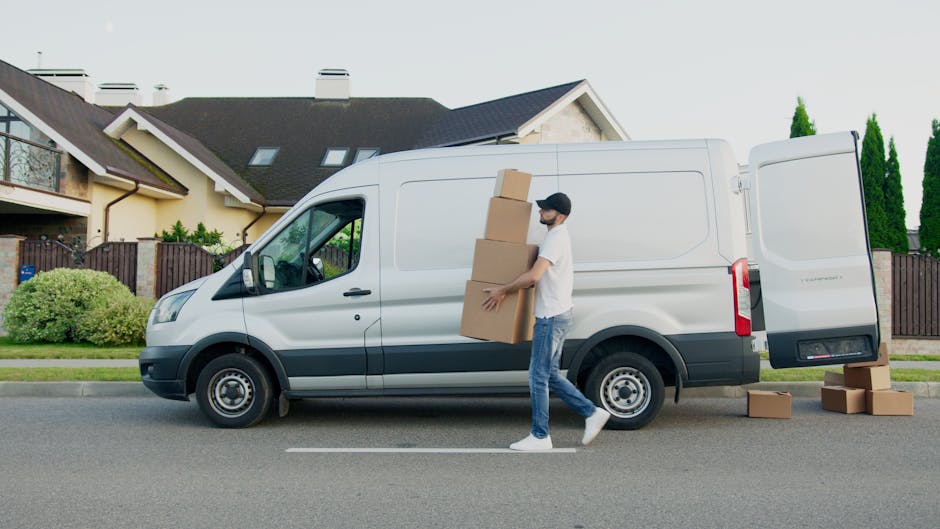
Book same-day man with van in W1 for bulky pickup
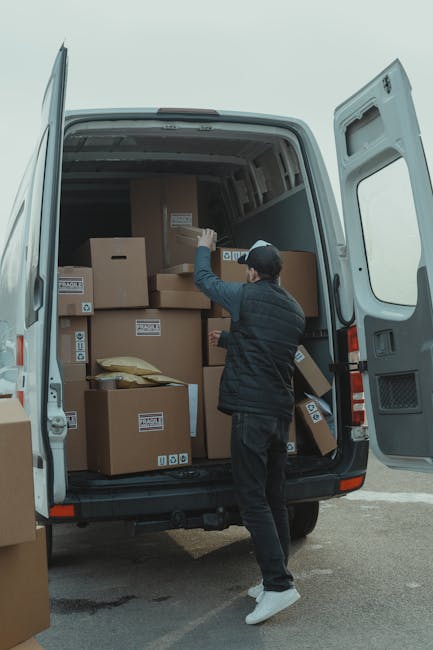
If you need to book same-day man with van in W1 for bulky pickup, chances are you are dealing with something awkward, heavy, and a bit time-sensitive. Maybe a sofa has to go before a delivery arrives. Maybe you are clearing a flat, an office corner, or a hallway that has started to feel like an obstacle course. Whatever the reason, same-day bulky pickup is about making the job straightforward: one vehicle, a capable pair of hands, and a plan that gets the item out without stress.
In W1, speed matters. Lifts are small, parking can be tight, and a bulky item never seems to be positioned in the easiest spot, does it? This guide explains how the service works, when it makes sense, what to check before you book, and how to avoid the kind of mistakes that turn a simple pickup into a long afternoon.
Expert summary: same-day man and van support is best for quick, one-off removals of large or heavy items when you need flexibility, careful handling, and a fast turnaround. It is especially useful in central London where access, timing, and loading space can be the main challenge.
Why same-day bulky pickup in W1 matters
W1 covers some of the busiest, most access-challenging parts of central London, so bulky item removal is rarely as simple as carrying something to the pavement. A wardrobe that looked manageable in the bedroom can suddenly become a problem at the stairwell. A broken treadmill may be blocking a corridor. A couple of old office desks can feel enormous once you are trying to turn them through a narrow doorway.
That is why same-day man and van support matters. It gives you a fast response when the item cannot wait, and it gives you physical help when the item is too awkward for one person to handle safely. For many people, the real value is not just speed. It is avoiding damage, avoiding injury, and avoiding the faff of trying to organise a van last minute.
Let's face it: most bulky pickups are not glamorous. They are practical problems. And practical problems are best solved quickly, while your day is still intact.
In central London, timing can also be the difference between a smooth pickup and a lot of frustration. If a delivery is arriving later, if a lease-end inspection is due, or if you simply need space back in a flat or workspace, same-day service keeps the moving parts under control. That is useful in homes, but it is just as helpful in office clearance, where desks, chairs, and filing units often need to disappear fast.
How same-day man with van bulky pickup works
The process is usually simpler than people expect. You make an enquiry, describe what needs collecting, and share a few details about access. Then a time window is arranged, often based on how urgent the job is and how much loading time is likely to be needed.
Good operators will want to know the item type, approximate size, floor level, whether there is a lift, and whether parking outside is possible. Those details matter more than people think. A single sofa in a basement flat can take longer to move than three small items from a ground-floor room. That is just the reality of London properties.
On arrival, the team assesses access, confirms the item, and removes it with the right carrying method. If the bulky item is part of a wider clear-out, the visit may overlap with furniture or household waste work. For example, a job can sit alongside furniture disposal or even a broader waste removal request, depending on what you need taken away.
Once loaded, the item is taken for the appropriate next step. Depending on condition and category, that could mean reuse, recycling, or disposal. If you are clearing multiple bulky pieces, a lot can be handled in one go. That is where the service starts saving real time.
Key benefits and practical advantages
The biggest advantage is obvious: speed. Same-day service is ideal when you cannot wait around for a scheduled collection next week. But there are other benefits that are easy to miss until you need them.
- Fast turnaround: useful for urgent move-outs, same-day room changes, or last-minute landlord requests.
- Safer handling: bulky items are less likely to cause bumps, scrapes, or strained backs when moved by experienced hands.
- Less disruption: you keep the rest of your day moving instead of wrestling a wardrobe down two flights of stairs.
- Local efficiency: W1 access issues are easier to manage when the team knows central London conditions.
- Flexible scope: one item, a few large pieces, or a mixed load can often be handled in a single visit.
There is also a practical money-saving angle. If you hire the wrong vehicle, or try to do it twice because the first trip was too small, the total can creep up quickly. A well-planned man and van pickup can reduce repeat trips. Simple, but important.
For people clearing bulky household items, related services such as furniture clearance, flat clearance, and home clearance can be a better fit than a one-item transport booking. The right choice depends on how much needs moving, not just how quickly you need it gone.
Who this is for and when it makes sense
This kind of service is ideal for anyone with a bulky item that cannot be left sitting around. That may sound obvious, but in practice it covers a lot of different situations.
You might need it if:
- a sofa, bed, wardrobe, or mattress has to go today;
- a delivery is arriving and the old item needs clearing first;
- you are moving out of a flat and the final bits are too heavy to shift alone;
- you are managing a probate, downsizing, or estate clear-out and need quick help with larger furniture;
- you run a small business and need office items removed without disrupting opening hours;
- a garage, loft, or spare room has become a holding zone for things nobody wants to carry.
It also makes sense when you have limited time and limited hands. A lot of W1 homes and offices simply are not set up for heavy lifting. And, to be fair, even if you are capable, it is one thing moving a chair. It is another thing moving a bulky cabinet around a tight corner without a scratch on the wall.
If your job extends beyond one bulky item, you may be better served by something broader, such as house clearance, loft clearance, or garage clearance. That is particularly true when the load includes mixed items rather than one awkward piece.
Step-by-step guidance
If you want the booking to go smoothly, the main trick is preparation. You do not need a military operation. Just a few sensible steps.
- Identify exactly what needs collecting. Write down the item type, number of pieces, and whether anything is attached, stacked, or partially dismantled.
- Check access. Note stairs, lifts, narrow halls, shared entrances, and whether parking is likely nearby. In W1, this matters a lot.
- Share photos if asked. A couple of clear images can help the team judge size and access. That saves time later. Everyone wins.
- Clear a route. Move small items, shoes, plant pots, bins, or loose clutter out of the path so the bulky item can be taken out cleanly.
- Confirm timing. Same-day bookings often work best when you stay available for a call or message close to arrival.
- Ask how the item will be handled. If it might be reused, recycled, or disposed of, it helps to understand the process in advance.
- Prepare payment details. Check accepted payment methods and what the final quote includes, so there are no awkward surprises at the door.
A good rule of thumb: if you can describe the job in one calm paragraph, you are probably ready to book it. If you need three apologetic messages and a long explanation, take an extra minute and gather the details first.
If you want to understand pricing structure before you commit, the service pages for pricing and quotes and payment and security are useful places to review the practical side of booking.
Expert tips for better results
Here is where a little experience saves a lot of hassle. Most of the best outcomes come from getting the basics right, not from any clever trick.
First, be specific about the item. "Big sofa" is less useful than "three-seater sofa with chaise" or "double wardrobe, still assembled." The more exact you are, the less chance of underestimating vehicle space or lifting time.
Second, measure the narrow bits. Doorways, stair turns, and lift openings are the usual trouble spots. A bulky item that seems fine in the room can be impossible to angle through a corridor if you have not checked the pinch points.
Third, think about break-down options. If a bed frame, table, or shelving unit can be dismantled safely, the pickup becomes much easier. Just keep the fixings in a bag and label it. That tiny bit of effort pays off later.
Fourth, keep the route clear and dry. Wet leaves, loose rugs, and cluttered hallways create avoidable risks. I know it sounds basic, but basic is good.
Fifth, do not leave parking to chance. Central London parking can be the quiet villain of a same-day pickup. If access is tight, mention it up front so the arrival plan matches the reality outside your building.
Small preparation makes a big difference. A five-minute check before collection often prevents a fifty-minute delay later.
For bulky items that are part of a larger recycling or disposal decision, it also helps to consider the end destination. If your priority is sustainability, see the site's recycling and sustainability approach before booking. It gives a better sense of how reusable and recyclable materials are treated.
Common mistakes to avoid
Most booking problems are not dramatic. They are just annoying, and avoidable.
- Vague descriptions: saying "a few bits" can lead to the wrong vehicle or too little time being allowed.
- Forgetting access details: stairs, lifts, and parking restrictions matter more in W1 than in many other areas.
- Leaving the item boxed in: if the team has to move half the room before reaching the bulky item, you are slowing everything down.
- Assuming everything is recyclable: not every item can be treated the same way, especially if it is damaged, mixed-material, or contaminated.
- Booking only by lowest price: cheap sounds good until the collection cannot be completed properly. Then it's not cheap anymore, is it?
- Ignoring building rules: some blocks have move-out procedures, lift booking systems, or noise restrictions. Worth checking.
One of the most common issues in central London is underestimating time. A job that looks like ten minutes on paper can take longer because the lift is occupied, the vehicle needs to stop around the corner, or the item simply needs careful manoeuvring. That is normal. Plan for it.
Tools, resources and recommendations
You do not need specialist gear for a standard booking, but a few simple tools can make a bulky pickup much smoother.
- Measuring tape: useful for checking doors, hallways, and item size.
- Phone camera: a quick photo gives far more context than a long guess.
- Labels or tape: helpful if the item is dismantled and you want to keep fixings together.
- Gloves: sensible for your own handling if you are moving anything small out of the route.
- Access notes: write down gate codes, porter rules, or flat numbers so nobody is hunting for details on arrival.
For broader clear-outs, these pages are worth keeping in mind because the same planning logic applies:
- furniture clearance for one-off household pieces or mixed furniture loads;
- office clearance for desks, chairs, and workplace furniture;
- builders waste clearance for renovation debris, where bulk and timing can also be tricky;
- business waste removal for regular commercial needs.
If you are unsure which type of job you actually have, describe it plainly. A clear sentence like "one bulky wardrobe and two bags of mixed waste from a third-floor flat" is much more useful than trying to fit it into a label that does not quite match. Truth be told, good operators prefer honest details over tidy guesses.
Law, compliance, standards, or best practice
For bulky pickup jobs, the main compliance considerations are safety, lawful handling, and responsible disposal. You do not need to become an expert in waste law to make a sensible booking, but it helps to work with providers who handle items carefully and follow accepted UK practice.
Best practice usually includes:
- clear pricing and scope before work begins;
- safe lifting methods and sensible manual handling;
- appropriate transport for the type of load;
- separation of reusable, recyclable, and non-recyclable items where practical;
- respect for building rules, neighbours, and shared spaces;
- appropriate insurance and operational controls.
For customers, the biggest practical point is simple: do not hand items over blindly. Ask what happens to the bulky item, how it will be transported, and whether the booking includes disposal or only collection. If the item is an old fridge, office equipment, or mixed furniture, that distinction matters.
It is also sensible to check the provider's policies on safety and accountability. The pages on health and safety policy, insurance and safety, terms and conditions, and modern slavery statement offer a useful picture of how the business approaches responsible operations. That kind of transparency is a good sign.
Options, methods, or comparison table
There are a few ways to deal with bulky items in W1, and the best choice depends on speed, item size, and how much help you need.
| Option | Best for | Pros | Limitations |
|---|---|---|---|
| Same-day man with van | One-off bulky pickups, urgent collections, awkward access | Fast, flexible, hands-on help | May not suit large multi-room clearances |
| Furniture clearance | Several large household items | Good for multiple pieces, efficient removal | Not ideal if you only have one item |
| Flat or house clearance | Whole-property or partial-property clear-outs | More comprehensive and organised | Usually more than you need for a single bulky pickup |
| Waste removal | Mixed loads, unwanted items, general clutter | Flexible and broad in scope | May need clear item description to avoid confusion |
If you are standing in the room deciding between "just take this sofa now" and "maybe clear the whole flat," this table gives you the honest answer: choose the smallest service that fits the actual job. That is usually the neatest, cheapest route.
Case study or real-world example
A typical W1 scenario goes something like this. A resident in a first-floor flat needs a heavy wardrobe removed before a bed delivery arrives that evening. The staircase is narrow, there is a lift but it is small, and the hallway is shared. The wardrobe is too large to move alone, and there is no time to wait for a future slot.
The customer sends a photo, gives the floor level, and explains that parking is limited. The team arrives with the right expectations, checks the route, and removes the wardrobe carefully without marking the walls. The job takes longer than a simple curbside pickup, but less time than it would have taken the customer to wrestle with it unsuccessfully. Everyone breathes easier afterwards. You can almost hear the quiet relief in the room.
That is the real value of same-day bulky pickup. Not drama. Not fuss. Just getting a difficult object out of the way before it causes another problem. Sometimes that small win is exactly what the day needed.
Practical checklist
Use this before you book:
- Have I identified the exact bulky item or items?
- Do I know the floor level, lift access, and staircase situation?
- Have I checked parking or loading access near the property?
- Can the item be dismantled safely, if needed?
- Have I cleared a route to the item?
- Am I available for a same-day call or arrival window?
- Do I know whether this is one item, a furniture job, or a broader clearance?
- Have I reviewed the pricing and payment information?
- Am I clear about what should happen to the item after collection?
- Do I have any building rules, access codes, or timing restrictions ready?
If you can tick most of these off, you are in good shape. If not, take ten minutes and sort them out. That tiny pause can save a lot of back-and-forth later.
Get a free quote today and see how much you can save.
Conclusion
Book same-day man with van in W1 for bulky pickup when you need speed, access help, and a low-stress way to move something large out of the way. It is one of those services that feels almost boring when it works well - and honestly, that is the goal. No drama, no damage, no last-minute panic.
The best results come from clear information, sensible preparation, and choosing the right type of service for the actual job. If it is one awkward item, keep it simple. If it is a bigger clear-out, step up to a more complete option. Either way, a little planning goes a long way in central London.
And if the item that has been annoying you all week is finally on its way out, that is a good feeling. Properly good.
Frequently Asked Questions
What does same-day man with van for bulky pickup actually mean?
It usually means a collection service that can arrive on the same day, with a van and at least one person to help lift and move bulky items. It is designed for awkward, heavy, or oversized things that are hard to handle alone.
Can I book same-day bulky pickup in W1 for just one item?
Yes, that is one of the most common reasons people book. A sofa, wardrobe, mattress, desk, or exercise machine can all justify a same-day pickup if it is urgent or difficult to move.
How quickly can a same-day booking usually happen?
It depends on schedule, access, and the size of the job. In practice, some bookings can be arranged very quickly if the details are clear and the team can fit the job into the day.
Do I need to move the bulky item outside first?
Usually no. That is part of what the service is for. If you can safely clear a route to the item, that helps, but the lifting and loading are typically handled for you.
What details should I give when I enquire?
Item type, size, number of pieces, floor level, lift access, parking situation, and any special concerns are the most useful details. Photos are often helpful too, if requested.
Is same-day man with van better than hiring a van myself?
If the item is heavy, awkward, or needs careful carrying through a building, yes, it often is. Hiring a van can be cheaper on paper, but you still have to do all the lifting and route planning yourself.
What kinds of bulky items are usually collected?
Common items include sofas, beds, wardrobes, tables, mattresses, office furniture, white goods, and other large household or workplace pieces. The exact scope depends on the provider and the condition of the item.
Will the item be recycled or reused?
That depends on condition and material type. Some items may be suitable for reuse or recycling, while others need disposal. If sustainability matters to you, ask how the collection is handled.
Is W1 difficult for bulky pickups?
It can be. Central London access, stairs, lifts, and parking restrictions all make planning more important. The job is still very doable, but good information makes it much smoother.
What if I have more than one bulky item?
If you have several pieces, the job may be better suited to a furniture clearance or wider waste removal service. It depends on how much space the items take up and how mixed the load is.
How do I avoid extra charges?
Be precise about the item, share access details, and make sure you understand what the quote includes. The cleaner the brief, the less chance of surprises. Simple, really.
Can this service help with flat or office moves?
Yes, especially if a few large items need shifting quickly. For wider moves, related services like flat clearance, office clearance, or house clearance may be more efficient.
If you want a quick, careful, and practical way to clear a bulky item in central London, same-day man with van support is often the easiest path back to a usable space. One less thing in the way, and the room just feels lighter afterwards.