Affordable commercial waste contracts for London retailers
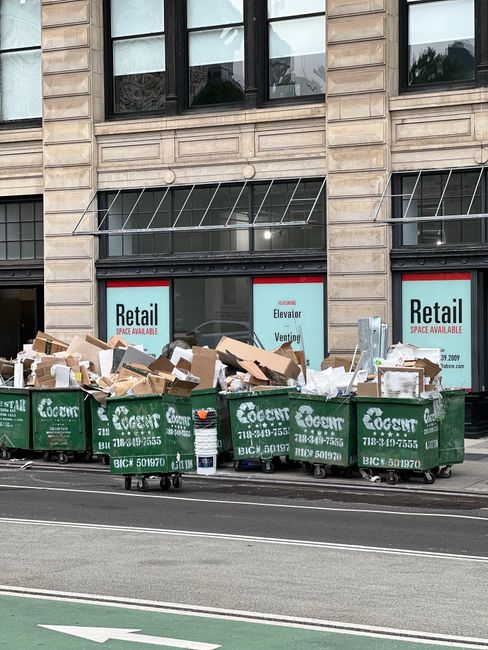
If you run a shop in London, waste can quietly become one of those small-but-annoying costs that keeps creeping up. Cardboard builds faster than you expect, shrink wrap seems to multiply overnight, and end-of-line stock, broken fittings or packaging all need somewhere to go. That is exactly where Affordable commercial waste contracts for London retailers make a real difference. The right contract keeps your shop tidy, helps you stay compliant, and stops you paying for a service that is too big, too rigid, or just plain unsuitable.
In practice, most retailers do not need the fanciest setup. They need something reliable, transparent, and flexible enough for a busy trading week in London. This guide breaks down how retail waste contracts work, what affects price, what to check before you sign, and how to avoid the common mistakes that end up costing more later. A bit dull on the surface, sure. But in retail, the boring stuff is often where the savings live.
Practical takeaway: the cheapest-looking contract is not always the cheapest overall. Real value comes from matching the collection frequency, waste stream mix, and service level to the way your shop actually operates.
- Why affordable waste contracts matter for London retailers
- How retail waste contracts work
- Key benefits and practical advantages
- Who this is for and when it makes sense
- Step-by-step guidance
- Expert tips for better results
- Common mistakes to avoid
- Tools, resources and recommendations
- Law, compliance, standards and best practice
- Options and comparison table
- Case study or real-world example
- Practical checklist
- Conclusion
- Frequently asked questions
Why Affordable commercial waste contracts for London retailers Matters
Retail waste is not just "rubbish". It is packaging from deliveries, damaged stock, display materials, old shelving, customer-facing waste, and sometimes confidential or mixed business waste that needs a proper process. If you are in a high-footfall part of London, you also have limited storage space, awkward loading access, and less room for waste to sit around looking messy. To be fair, one overflowing bin can make a shop feel untidy before the doors even open.
Affordable commercial waste contracts matter because they connect three things retailers care about most: cost control, routine, and presentation. The right arrangement helps you avoid ad hoc collections when you are already busy, reduces the chance of missed pickups, and supports a cleaner shop floor and back-of-house area. That matters whether you are running a convenience store, clothing boutique, pharmacy, gift shop, electronics retailer, or multi-site chain with a small footprint in each location.
London adds another layer. Collection access can be awkward. Some shops generate waste late at night after closing, others need early morning pickups before delivery vans and shoppers arrive. A contract that suits a suburban warehouse will not necessarily fit a narrow high street unit in central London. That mismatch is where costs creep in, and where retailers often feel the service has become "expensive" when really it has just been poorly matched.
If you already know your business waste pattern is more than a one-off job, it can be worth reviewing a dedicated business waste removal service alongside your broader operational needs. For retailers with older fixtures, seasonal clear-outs, or refurbishment waste, services such as office clearance and furniture disposal can also be relevant when you are refreshing the shop layout or replacing stockroom items. Not glamorous, but useful.
How Affordable commercial waste contracts for London retailers Works
Most retail waste contracts are built around a simple idea: you agree the kind of waste you produce, how often it needs collecting, and what level of service you want. Then the provider structures a route, a collection schedule, and a pricing model around that information. The more accurately you describe your waste, the closer the quote should be to real life. Underestimate it, and you may pay extra later. Overestimate it, and you may pay for capacity you never use.
Usually, the process starts with a waste review. That can be a quick conversation or a fuller site assessment. The provider will want to know:
- your shop type and trading hours
- how much waste you generate weekly or monthly
- the mix of cardboard, plastics, general commercial waste, bulky items, and any special waste streams
- where waste is stored
- how collections can take place without disrupting customers or deliveries
After that, you will normally receive a proposed schedule, container or bag arrangement, and a price structure. Some contracts are simple fixed-fee arrangements, while others are based on volume, frequency, or service level. The lower the friction for your team, the better. If staff are constantly moving bags around because the container is the wrong size, the contract may look affordable on paper but feel annoying every single day.
Retailers often benefit from joining waste services to other clearance needs when stockrooms are full or a refit is underway. For example, if you are clearing old shelving, packaging waste, or retail fixtures, a broader waste removal approach can be more efficient than piecing together lots of small callouts. And if the issue is less about daily waste and more about periodic surplus items, services such as furniture clearance may fit better than a recurring contract. It depends on the rhythm of your shop.
What typically affects the price
Pricing is rarely just about bin size. In real retail settings, several moving parts shape the final cost:
- collection frequency - weekly, twice weekly, or more frequent pickups generally cost more than occasional collections
- waste type - mixed commercial waste can cost differently from separated cardboard or recyclable streams
- access conditions - stairs, tight alleys, pedestrianised streets, or restricted loading windows can affect service practicality
- volume and weight - bulky or dense waste can increase the amount of transport needed
- service timing - out-of-hours or highly scheduled collection windows may cost more
One thing worth saying plainly: ask what is included. Collection, lifting, labour, sorting, disposal, recycling, admin charges, and contingency costs do not always sit under one neat headline price. Retailers get caught out when the quote is "cheap" but every small detail is extra. It happens more often than people admit.
Key Benefits and Practical Advantages
When the contract is properly matched to the business, the benefits are not abstract. They show up in day-to-day operations.
Cleaner trading spaces
Retail is visual. A tidy entrance, a clear stockroom, and a sensible waste routine all help. Staff waste less time improvising and more time serving customers. Even the back of house feels calmer. And if you have ever tried to move a delivery trolley around a pile of flattened boxes, you know the difference immediately.
Better cost control
Affordable does not just mean "low monthly fee". It means predictable spend. Fixed or well-structured contracts can make budgeting easier, especially for shops with seasonal peaks. A clothing store during sale season, for example, may generate far more packaging and display waste than it does in quieter months. A good provider should understand that pattern rather than treating every month like a clone of the last one.
Reduced disruption
Collections that happen on time reduce clutter, stockroom congestion, and staff frustration. This is especially valuable in London where space is tight and timing matters. If you trade early, late, or seven days a week, the service should work around you, not the other way around.
Improved environmental handling
Retailers tend to generate a lot of recyclable material, especially cardboard and soft plastics from deliveries. A good contract should support better separation and recovery where practical. If sustainability matters to your brand, you can also review the provider's approach through their recycling and sustainability approach. That does not solve everything, but it is a useful sign of how seriously waste is being handled.
Fewer compliance headaches
Using a proper business waste arrangement helps reduce the risk of casual disposal mistakes, missed records, or messy collection habits. You do not want to be the shop that leaves mixed waste behind the unit because "someone thought it would be picked up later". That is how little problems become bigger ones.
Who This Is For and When It Makes Sense
This kind of contract is a good fit for any London retailer that produces waste on a routine basis and wants a cleaner, more predictable setup. That includes:
- high street shops with daily packaging waste
- convenience stores and mini-markets with constant stock turnover
- fashion retailers dealing with hangers, cardboard, polywrap, and display waste
- pharmacies and health retailers with limited storage space
- electronics or homeware shops with bulky packaging and regular deliveries
- independent retailers preparing for seasonal reset, refit, or stock rotation
It makes sense when the waste is too frequent for one-off clearances, but not so complex that you need a huge enterprise-level system. Small chains often fall squarely into this middle ground. They need something decent, not overbuilt.
If your retail site also includes a stockroom, small office, or shared workspace, you may find related services useful, such as office clearance for old desks or filing furniture, or furniture clearance if you are replacing damaged fixtures. For bigger shop back areas or mixed-use premises, a broader commercial arrangement can be easier to manage than juggling separate one-off services.
On the other hand, if waste only appears once or twice a year - maybe after a refit, end-of-lease tidy-out, or stock room purge - a standing contract may not be the right starting point. In that case, a planned clearance visit or ad hoc waste removal visit might be more sensible. No point paying for something you barely use.
Step-by-Step Guidance
If you want an affordable contract that genuinely works, the process is simpler than many retailers expect. The key is to be organised before you ask for quotes. That single step can save a surprising amount of back-and-forth.
- Measure your actual waste pattern. Look at a normal week, then a busy week. Count bags, boxes, and bulky items. If you only estimate from memory, the numbers tend to drift.
- Separate recyclable material where possible. Cardboard and clean packaging often make up a big share of retail waste. Better separation can improve efficiency and keep general waste volumes down.
- Note collection constraints. List any access issues, concierge restrictions, parking limitations, or timing windows. In London, these practical details matter more than people like to think.
- Ask for a service that matches your real footprint. Do not accept a large container if your waste is light, and do not squeeze too much into a tiny plan because it looks cheaper.
- Check what the price includes. Ask about labour, lifting, collection frequency, disposal, and any add-ons. Clarity now is cheaper than arguments later.
- Build in flexibility. Retail is seasonal. A good contract should allow for spikes, reduced trading periods, or special clear-outs without turning every change into a drama.
- Review after the first few cycles. After a month or two, check whether the service matches reality. If not, adjust before small inefficiencies become the new normal.
Here is the simple version: know your waste, know your access, and know what you are paying for. That alone puts you ahead of a lot of businesses.
Expert Tips for Better Results
Over time, you learn that the best waste contracts are often the least noticeable ones. They just fit. No fuss, no bin panic, no awkward storage pile that staff keep side-eyeing at 4pm.
Keep cardboard under control from day one
Retailers often focus on mixed waste and forget that cardboard takes up huge space. Break down boxes as soon as they are empty. Store them flat where possible. That small habit reduces overflow, improves collection efficiency, and makes the back room feel less like a storage puzzle.
Choose the right collection rhythm
Weekly collections are fine for some shops. Others need more frequent service, especially if deliveries arrive regularly or sales volume is high. A London retailer with limited pavement storage may find that twice-weekly collections are actually more affordable in the long run because they prevent emergency callouts or extra handling.
Ask for seasonal flexibility
If your business gets busier in winter, around holidays, or during sale events, say so upfront. A good provider should be able to plan around peaks. This is one of those things people forget until the stockroom is overflowing and everyone is muttering under their breath.
Keep the back-of-house tidy
It sounds obvious, but organised storage areas make collection smoother. Waste should be grouped, accessible, and safely stacked. That helps staff, helps the collector, and usually helps the quote too. Messy storage tends to create hidden costs.
Prefer clarity over vague promises
If a provider cannot explain what is collected, when it is collected, and what happens to the waste afterwards, pause. A cheap price with fuzzy details is not a bargain; it is a future headache in nicer packaging.
If you need reassurance around service standards and operational care, it can also help to review a provider's health and safety policy, plus their insurance and safety information. Those pages should not feel like wallpaper. They should show you the company takes the practical side seriously.
Common Mistakes to Avoid
Most expensive waste arrangements do not start expensive. They become expensive because of misalignment. The same few mistakes show up again and again.
- Choosing the lowest headline price only. If the contract is too small or too rigid, you end up paying elsewhere.
- Ignoring access issues. A brilliant quote on paper is useless if the collection point is impossible to reach during trading hours.
- Mixing waste streams carelessly. Clean cardboard in general waste is usually a waste of space and money. Literally.
- Underestimating seasonal peaks. Retail is not static. Christmas, sales, refits and promotions all change waste volumes.
- Not reviewing the contract regularly. A plan that worked six months ago may now be the wrong fit.
- Forgetting paperwork and terms. Always check what the provider expects, including payment terms and service conditions.
A lot of retailers also forget that waste management is part operations, part habits. If staff are not briefed properly, even a good contract can feel messy. The bins are only half the story.
Tools, Resources and Recommendations
You do not need complicated software to manage retail waste well, but a few simple tools make life easier. A basic tracking sheet can be enough to spot patterns. If you want to get slightly more organised, try tracking the following for two or three weeks:
- number of waste bags by type
- approximate cardboard volume
- bulky items generated
- collection day and any access issues
- missed pickups or overflow incidents
That short log gives you something real to base decisions on. Not guesswork. Not a feeling. Real numbers, even if they are rough.
When comparing services, it can help to look at the provider's wider support pages too. A retailer trying to control spend may benefit from checking pricing and quotes guidance before requesting a contract review. If you are handling mixed waste, occasional refits, or larger overhauls, builders waste clearance can also be relevant during shop refurbishments or fit-out work. The point is to match the service to the task, not force everything into one bucket.
If you are comparing long-term partners, look for clear terms, simple communication, and a practical understanding of London logistics. That matters more than flashy language. Always has.
Law, Compliance, Standards, or Best Practice
For UK retailers, waste handling is not just an operations decision. It sits within normal business responsibilities around safe storage, correct disposal, and using an authorised carrier. You do not need to turn this into a legal seminar, but you do need to know enough to avoid careless mistakes.
Good practice usually includes:
- using a legitimate business waste collection service
- keeping waste separated where practical
- storing waste safely and securely before collection
- making sure staff know where waste should go
- keeping relevant paperwork, invoices, and service records organised
Retailers should also think about site safety. Waste stored in corridors, fire exits, or customer walkways can create practical hazards. In busy London shops, a misplaced trolley or overfilled sack can do more harm than a customer complaint. Small thing, big consequence.
For a trusted business relationship, it also helps to review the company's policies and commitments, including its modern slavery statement, payment and security information, and terms and conditions. Those pages tell you how seriously the operator treats responsibility, payment clarity, and service expectations. That is useful whether you are a single shop or managing multiple London branches.
Also, if sustainability is part of your brand story, do not treat it as a buzzword. Ask practical questions about how recyclable material is handled and how the provider supports recovery where possible. You do not need perfection. You do need honesty.
Options, Methods, or Comparison Table
Retailers usually have three broad options: ad hoc collections, regular commercial waste contracts, or a blended approach. Each can work, but not for the same situation.
| Option | Best for | Pros | Trade-offs |
|---|---|---|---|
| Ad hoc waste collections | Occasional clear-outs, refits, seasonal tidy-ups | Flexible, pay when needed, good for one-off jobs | Less predictable, can be more disruptive if used often |
| Regular commercial waste contract | Retailers with ongoing waste every week | Predictable, tidy, easier to budget, usually more efficient | Needs good forecasting and correct sizing |
| Blended approach | Shops with steady waste plus periodic bulky items | Balanced, practical, handles routine and occasional needs | Requires a provider who can manage both well |
For many London retailers, the blended model is the sweet spot. Daily or weekly collection covers the ordinary flow, while one-off support handles stockroom clear-outs or refurb waste. If you are replacing damaged counters or storage, for example, a normal contract may not be enough on its own.
Case Study or Real-World Example
Picture a small independent shop on a busy London street. The owner sells home accessories, candles, and seasonal gifts. Deliveries arrive three times a week. By Thursday, the back room has cardboard stacked near the wall, shredded packing material in one corner, and a couple of broken display shelves waiting to be dealt with. Nothing dramatic. Just the usual slow build-up.
At first, the shop uses irregular clear-outs. One week it is fine. The next, staff are squeezing waste into whatever container is closest, and someone has to stay late after closing to rearrange boxes. It is not a disaster, but it is irritating. Every. Single. Week.
After reviewing waste volumes and collection timing, the owner switches to a more structured commercial arrangement for routine waste and adds a separate plan for occasional bulky items. Staff now flatten boxes immediately, the back room stays walkable, and the shop no longer needs last-minute clearances after peak days. The savings are not just financial. They are operational. The shop feels calmer, and on a London high street, calm is worth something.
That is the real point of an affordable contract. It should make the business easier to run, not just cheaper on a spreadsheet.
Practical Checklist
Before signing a contract, run through this checklist. It is simple, but it catches a lot of avoidable mistakes.
- Do I know how much waste my shop generates in a normal week?
- Have I separated cardboard, plastics, and general waste as much as practical?
- Do I know where waste will be stored before collection?
- Have I checked access, timing, and loading restrictions?
- Do I understand what the quote includes and excludes?
- Is the collection frequency realistic for busy and quiet periods?
- Have I checked the provider's terms, safety information, and payment process?
- Do I know who to contact if the service needs adjusting?
- Have I reviewed how bulky items or clearance jobs would be handled?
- Will this setup still work during seasonal peaks?
If you can tick most of those boxes, you are probably in a good position. If not, pause and get clearer before signing anything. It saves hassle later.
Conclusion
Affordable commercial waste contracts for London retailers are not about finding the lowest number and hoping for the best. They are about matching the service to the way your shop actually runs. When the collection rhythm, waste type, access conditions, and pricing structure line up properly, you get a cleaner store, fewer interruptions, and a much more predictable cost base.
The strongest contracts are usually the practical ones: clear, flexible, and built around real trading conditions rather than theory. If you are a retailer in London, that is the standard to aim for. Not overcomplicated. Not vague. Just sensible, reliable, and cost-aware.
Get a free quote today and see how much you can save.
And if you are still weighing up the best route, take your time. A well-chosen waste arrangement can quietly improve the whole feel of the business, which, to be fair, is one of those small wins that makes a long week easier.
Frequently Asked Questions
What do affordable commercial waste contracts for London retailers usually include?
They usually include regular collections, agreed waste types, a collection schedule, and disposal or processing of the waste. Some contracts also include recycling support, while others charge separately for certain items or additional visits. Always check the scope carefully.
How do I know if my shop needs a regular contract or a one-off clearance?
If waste is produced every week, a regular contract usually makes more sense. If waste only builds up during refits, seasonal resets, or occasional stock changes, a one-off clearance may be enough. Many retailers end up using both.
What makes a retail waste contract affordable?
Affordability comes from matching the service to your actual waste volume, avoiding unnecessary extras, and preventing ad hoc callouts caused by poor planning. The cheapest-looking quote is not always the most affordable overall.
Can a London retailer get a contract for cardboard and packaging only?
Often, yes. Many shops generate a lot of clean cardboard and packaging waste, and it can make sense to separate that stream from general waste. This can reduce pressure on your main bins and improve efficiency.
How often should retail waste be collected?
That depends on your trading pattern, storage space, and waste volume. Some small shops are fine with weekly collections, while busier sites may need more frequent service. The right answer is the one that keeps the site tidy without wasting capacity.
What should I check before signing a waste contract?
Check what is included, what is excluded, collection frequency, access requirements, payment terms, and how changes are handled. It is also smart to review safety, insurance, and compliance information before you commit.
Are commercial waste contracts suitable for small independent retailers?
Yes, very much so. Small independent retailers often benefit a lot because they usually have limited storage space and need a simple routine. A well-sized contract can make a small shop feel much easier to manage.
Do retail waste contracts help with sustainability?
They can, especially if the provider supports sorting and recycling of cardboard, packaging, and other recoverable materials. The key is to keep recyclable material separate where practical and ask how the waste is processed.
What if my waste changes during the year?
That is completely normal in retail. Seasonal peaks, promotions, and refits all change waste patterns. Choose a contract that allows review and adjustment rather than locking you into something rigid.
Can I combine regular waste collection with bulky item clearance?
Yes. Many retailers use a regular contract for day-to-day waste and arrange separate clearance for shelving, furniture, or larger items when needed. That blended approach is often the most practical.
Why is London different from other places for retail waste?
Space, access, timing, and traffic all make a difference. London retailers often have less storage, tighter loading windows, and more pressure to keep back-of-house areas tidy. A service designed for those conditions tends to work much better.
How can I keep costs down without cutting corners?
Track your waste volumes, flatten cardboard, separate recyclable material, choose the right collection frequency, and review the contract regularly. Those simple habits usually do more than chasing a tiny headline price. Practical beats fancy, most days.